
Sensory Processing Challenges in Children: Signs to Look Out For
Does your child cover their ears in noisy places, avoid certain fabrics, crave constant movement, or become overwhelmed during everyday routines? These reactions can be hard to understand, especially when they happen often or seem stronger than expected.
Many children have sensory preferences. The concern is usually not the preference itself, but whether it begins to affect daily life, such as getting dressed, eating, learning, playing, sleeping, or joining family activities. When that happens, a pediatric occupational therapist can help families look at the pattern, understand how it affects the child, and decide whether further support may be helpful.
This article explains common sensory processing challenges and the signs parents may notice. It is not intended to diagnose a child.
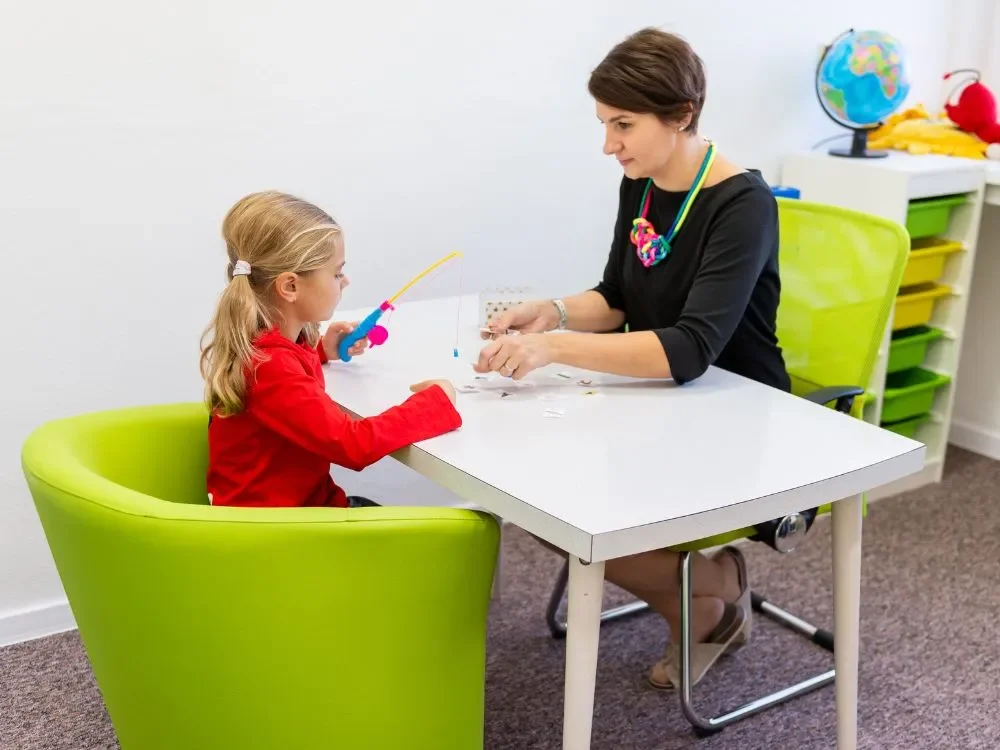
What Are Sensory Processing Challenges in Children?
Sensory processing challenges happen when a child has trouble making sense of or responding to information from their body and surroundings. Some children may feel certain sounds, textures, movements, or smells very strongly. Others may barely notice them or may look for extra movement, pressure, touch, or sound.
The brain is constantly taking in information through sight, hearing, smell, taste, touch, balance, movement, and body awareness. Children can react very differently to the same experience. A loud hand dryer, for example, may feel overwhelming to one child but hardly noticeable to another.
These differences may need closer attention when they happen often or make everyday activities harder, such as getting dressed, eating, learning, playing, sleeping, or joining family and school routines. Sensory responses alone do not confirm a diagnosis. A qualified professional looks at the child’s overall development, health, environment, and daily functioning before making recommendations.
What Are the Signs of Sensory Processing Challenges in Children?
The signs can look very different from one child to another. Some children avoid certain sensations because they feel uncomfortable or overwhelming. Others seek stronger or more frequent input through movement, touch, or sound. A child may also show a mix of both patterns depending on the activity or setting.
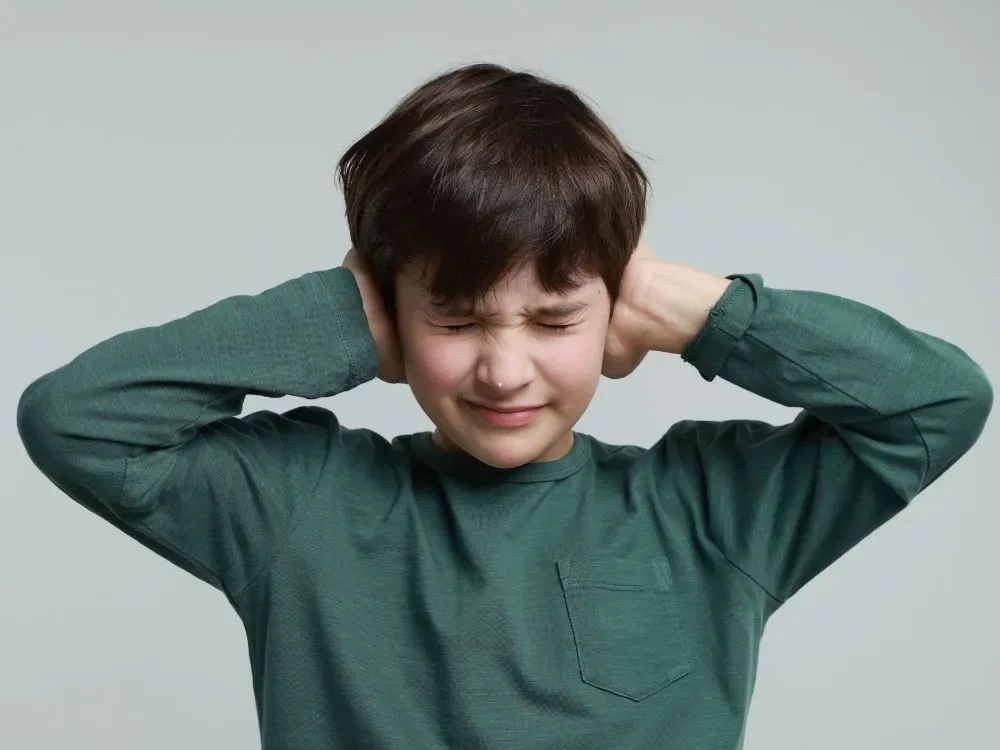
Heightened Sensitivity
Possible signs:
Covering the ears, avoiding bright or crowded spaces, resisting clothing seams or tags, disliking grooming, or reacting strongly to food textures, touch, swings, or climbing.
Everyday example:
A child becomes distressed by a hand dryer, refuses socks with seams, or avoids playground equipment.
Reduced Awareness or Sensory Seeking
Possible signs:
Constant jumping, spinning, crashing, chewing clothing, touching objects or people often, using too much force, or seeking loud sounds and intense movement.
Everyday example:
A child repeatedly jumps from furniture, presses too hard with a pencil, or plays more roughly than intended.
Body Awareness and Coordination Difficulties
Possible signs:
Bumping into objects, falling often, struggling to judge force, having difficulty with balance or planning movements, appearing clumsy, or finding it hard to sit upright and maintain personal space.
Everyday example:
A child knocks over items without meaning to, trips during play, or has trouble learning a new movement sequence.
These examples can involve sound, touch, taste, sight, movement, balance, and awareness of body position. However, the same child may respond differently across settings or from one day to another.
A child may manage well in a quiet room but become overwhelmed in a busy classroom, cafeteria, party, or store. Tiredness, hunger, stress, and unfamiliar routines may also affect how a child responds.
These signs do not automatically mean that a child has a medical or developmental condition. Many children show some of these behaviors occasionally. The pattern becomes more important when it happens often, causes significant distress, creates safety concerns, or interferes with dressing, eating, learning, play, sleep, or participation in family and school routines.
Parents and caregivers can make brief notes about what happened before the reaction, what the child did, and what helped afterward. This information can make it easier to discuss concerns with a pediatrician or occupational therapist.
Sensory-Seeking and Sensory-Avoiding Behaviors Can Look Very Different
Some children pull away from sensations that feel too strong or uncomfortable. Others look for more movement, pressure, sound, or touch. A child may avoid one type of sensory input while seeking another, and these responses can change with the setting.
| Type of input | A child may avoid | A child may seek |
|---|---|---|
| Sound | Covering their ears or leaving noisy places | Making repeated noises or choosing louder activities |
| Touch | Avoiding messy play, certain fabrics, or unexpected touch | Touching objects and surfaces often or asking for firm hugs |
| Movement | Avoiding swings, climbing, or fast movement | Spinning, jumping, climbing, or crashing into cushions |
| Food | Refusing certain smells, tastes, or textures | Preferring strong flavors or crunchy and chewy foods |
| Body awareness | Hesitating during activities that involve pushing, pulling, or pressure | Rough play, pushing, carrying, or seeking firm pressure |
A child’s response may also vary from day to day. Tiredness, hunger, stress, unfamiliar surroundings, and sudden changes can make sensory input harder to manage. Busy environments may bring out reactions that are not noticeable at home.
“Sensory seeking” and “sensory avoiding” are simply ways to describe what adults observe. They should not be used to label a child. What matters is how often the behavior occurs and whether it affects comfort, safety, or daily activities.
Sensory Reactions Are Not Always “Bad Behavior”
When a child cries, runs away, refuses an activity, shuts down, or becomes unusually active, it can be easy to see the behavior as defiance. Sometimes, though, the child may be reacting to sounds, movement, touch, crowds, or other sensations that feel overwhelming.
That does not mean every difficult moment is sensory-related. Tiredness, hunger, pain, anxiety, frustration, communication challenges, and ordinary reactions to limits or transitions can look very similar.
For example, a child who becomes upset during a loud school assembly may be struggling with the noise, the crowd, or not knowing what to expect. A child who cries when playtime ends may simply be disappointed that the activity is over.
Rather than focusing only on the behavior, look at what was happening around it. Note what came before, how the child responded, and what helped them settle. Over time, these patterns can give parents, teachers, and healthcare professionals a clearer understanding of what the child may need.
How Sensory Processing Challenges Can Affect Everyday Life
Sensory differences matter most when they make everyday activities harder for a child. A child may seem comfortable in one setting but struggle in another, especially when the environment is noisy, crowded, unfamiliar, or unpredictable.
At home, this may look like difficulty with:
Clothing tags, seams, socks, or certain fabrics
Toothbrushing, bathing, or haircuts
Particular food tastes, smells, or textures
Calming down and getting ready for sleep
At school or in the community, a child may find it harder to:
Focus when there is background noise
Take part in assemblies, cafeterias, or group activities
Use pencils, scissors, or other classroom tools
Move from one activity or place to another
Sensory differences can also affect play. Some children avoid swings or climbing equipment, while others may use more force than they intend during play. Parties, busy stores, or crowded library events may also feel overwhelming.
The main question is not whether a child dislikes one sound, texture, or activity. It is whether the pattern repeatedly gets in the way of things the child needs or wants to do.
When Should Parents Seek Professional Guidance?
Consider speaking with your child’s pediatrician or a qualified occupational therapist when sensory reactions happen often, feel unusually intense, create safety concerns, or make everyday life harder.
It may be time to ask for guidance if your child:
Regularly struggles with dressing, eating, hygiene, sleep, play, or school
Avoids activities they need or want to take part in
Seeks movement, pressure, or other input in unsafe ways
Becomes distressed in several different settings
Has reactions that repeatedly disrupt family routines
Shows similar patterns noticed by teachers or caregivers
Also has difficulties with communication, movement, attention, learning, or development
Sensory reactions do not always have one clear cause. Similar behaviors may be linked with autism, ADHD, anxiety, communication difficulties, pain, other medical concerns, or normal developmental changes. Sensory signs alone are not enough to identify any of these conditions.
A fuller evaluation can help clarify what is happening and whether support is needed. Bring notes about when the reactions occur, what was happening beforehand, and how they affect your child’s daily life.

How Can Parents Support a Child With Sensory Processing Challenges?
The most helpful strategies are based on the individual child and the situation. Something that helps one child feel settled may make another child uncomfortable, so it is important to watch how your child responds.
Parents can start with simple steps:
Notice when reactions happen and what may have led to them.
Prepare your child before noisy, crowded, or unfamiliar situations.
Offer manageable choices about clothing, seating, food presentation, or activity order.
Keep routines predictable and give advance notice before transitions.
Provide a quiet, less stimulating space when your child needs a break.
Share observations with teachers, caregivers, and therapists.
Avoid forcing your child through an experience that causes significant distress.
Visual schedules and predictable routines may help some children understand what is coming next. However, support should be adjusted as the child’s needs change.
Parents should also be cautious about copying a generic “sensory diet” or activity plan from social media. Recommendations should be individualized, tied to everyday goals, and reviewed to see whether they are helping the child participate more comfortably and independently.
Can Sensory Challenges Get Worse With Age?
Not necessarily. Sensory responses may change as children grow, and some children learn ways to cope or explain what feels uncomfortable. At the same time, challenges may become more noticeable as school, social, and self-care demands increase.
A difficult period may be related to stress, fatigue, changes in routine, or a busier environment rather than a permanent worsening. If reactions become more frequent, intense, or disruptive to everyday life, parents should discuss them with their child’s pediatrician or occupational therapist.
Frequently Asked Questions
-
The term is commonly used, but it is not generally accepted as a standalone medical diagnosis. The American Academy of Pediatrics recommends looking at the child’s full developmental and health picture because sensory difficulties may appear alongside several different conditions. An evaluation should focus on how the child functions in everyday life, not on assigning a label based on sensory behaviors alone.
-
Yes. Sensory differences can occur in children with or without autism. They may also appear alongside other developmental, emotional, or health concerns. Sensory behaviors alone do not mean that a child is autistic. An autism evaluation considers a broader pattern that includes social communication and restricted or repetitive behaviors and interests.
-
An occupational therapist may talk with parents and caregivers, observe the child during activities, review developmental and daily-living history, and use standardized tools when appropriate. The goal is to understand whether sensory responses make it harder for the child to dress, eat, learn, play, sleep, or participate at home, school, and in the community.
-
Start by noticing when reactions occur and what seems to help. Preparing for transitions, reducing avoidable noise or visual clutter, offering reasonable choices, and providing a calm space may help. Because every child responds differently, home strategies should be adjusted to the child rather than copied from a general online plan.
-
No. Sensory preferences may play a role, but other explanations should also be considered. Eating difficulties can involve chewing, swallowing, medical, nutritional, developmental, or emotional factors. Clothing discomfort may be related to fit, temperature, skin irritation, eczema, or another physical concern. Ongoing problems should be discussed with an appropriate healthcare professional.
Conclusion
Sensory processing challenges can show up in many ways. A child may avoid certain sounds or textures, seek constant movement, struggle with coordination, or become overwhelmed during everyday routines. One reaction on its own does not explain why it is happening.
What matters most is the pattern. Parents can note when the behavior occurs, what may have triggered it, how long it lasts, and whether it affects daily activities at home, school, or in the community. Input from teachers and other caregivers can also help build a clearer picture.
If these concerns continue or begin to interfere with daily life, consider speaking with your child’s pediatrician or a provider of pediatric occupational therapy.
