
Understanding the CPSE Process in New York
The start of preschool or UPK brings new routines, classroom activities, and expectations. During this time, a parent or teacher may notice ongoing challenges with communication, motor skills, participation, or everyday routines and begin wondering whether a child needs additional support.
If someone has mentioned CPSE, you may have questions about what it means and what happens next. In New York, the Committee on Preschool Special Education, or CPSE, determines whether a preschool-age child qualifies for special education services. For families in Nassau and Suffolk Counties, understanding how CPSE services on Long Island fit into this process can make the next steps easier to follow. This guide explains what parents can expect from referral through eligibility and services.
What Is CPSE in New York?
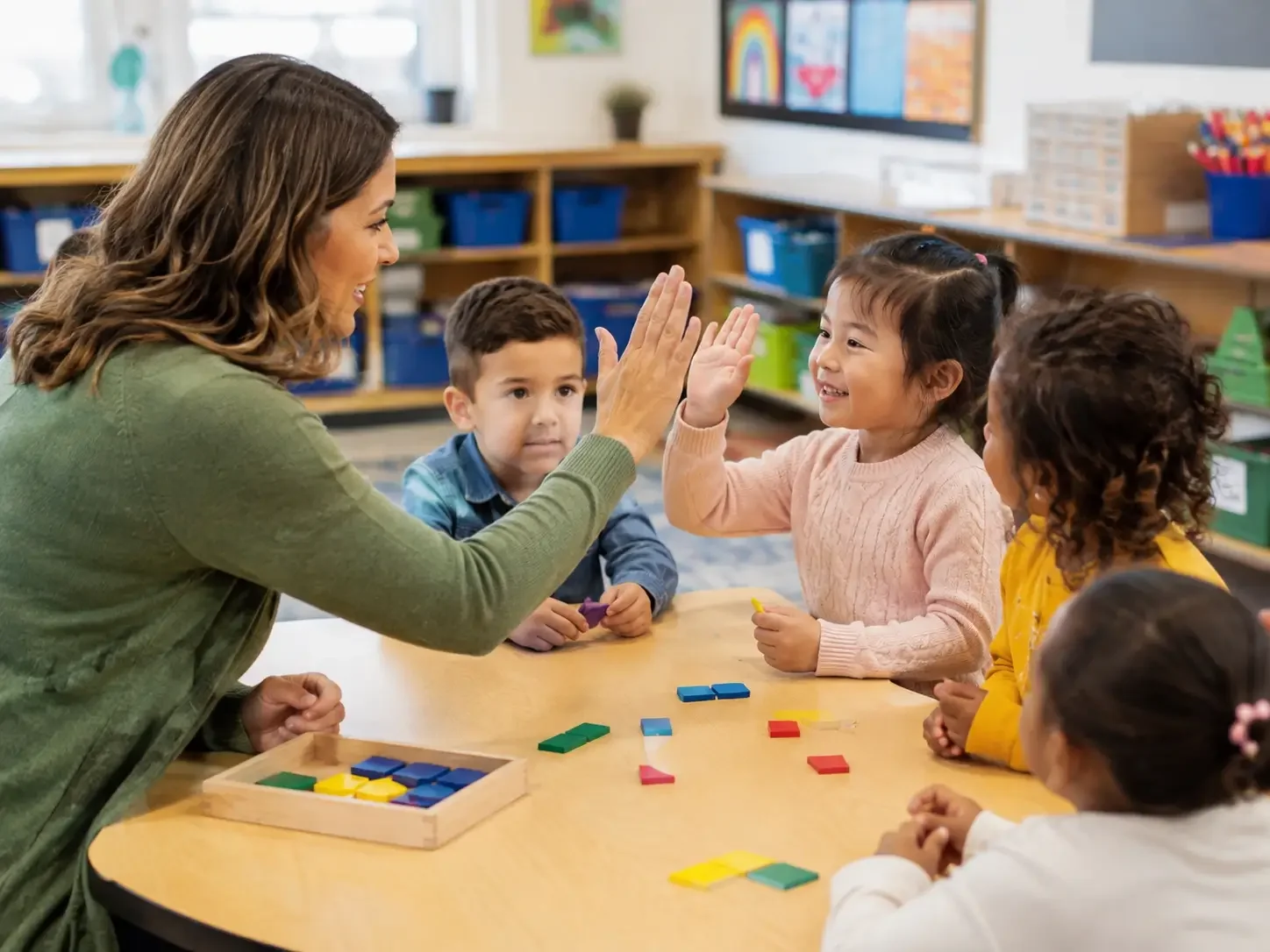
CPSE stands for Committee on Preschool Special Education. In New York, the CPSE works with families to determine whether a preschool-age child is eligible for special education services. When a child qualifies, the committee also helps develop an Individualized Education Program, or IEP, based on the child’s individual needs.
The CPSE process generally applies to children ages 3 to 5 and is handled through the child’s local school district. Parents are members of the CPSE team, so they take part in reviewing evaluation results, discussing their child’s strengths and needs, and making decisions about appropriate services.
A referral to CPSE is only the beginning of the process. It does not mean a child automatically qualifies for special education. The CPSE first reviews an individual evaluation and other relevant information before determining eligibility and, if appropriate, recommending services and developing an IEP.
When Should a Parent Consider a CPSE Referral?
A parent may consider a CPSE referral when ongoing developmental challenges begin to affect a child’s ability to learn, communicate, participate, or manage everyday preschool activities. These concerns may become easier to notice once a child starts preschool or UPK and has to adjust to new routines, group activities, and classroom expectations.
For example, a child may have difficulty communicating needs, following classroom routines, using crayons or scissors, coordinating movements, or participating in age-appropriate activities. Teachers may also notice developmental or behavioral concerns that affect learning or participation.
Some children may also show sensory processing challenges, such as strong reactions to sounds, textures, movement, or other sensations. These behaviors alone do not mean a child needs CPSE. What matters is whether a pattern of challenges is consistently affecting the child’s everyday functioning and learning.
How Does the CPSE Process Work in New York?
The CPSE process generally follows four stages: referral, consent and evaluation, the CPSE meeting and eligibility decision, and an IEP with services if the child qualifies. Parents remain involved throughout the process.
1. Referral
The process begins with a written referral to the CPSE chairperson in the child’s school district. A parent can make the referral, and certain professionals who know the child may also refer a child when there are concerns about development or learning.
2. Evaluation
After the referral, the school district provides the parent with a list of New York State-approved evaluation agencies. The parent selects an approved evaluator and gives written consent before the evaluation begins. The evaluation is provided at no cost to the family and looks at the child’s strengths and areas of need across relevant areas of development.
3. CPSE Meeting and Eligibility Decision
The parent receives the evaluation information and meets with the CPSE to review the results. The committee considers the evaluation, parent input, and other relevant information to determine whether the child meets New York’s requirements for preschool special education.
4. IEP and Services
If the child is eligible, the CPSE develops an Individualized Education Program, or IEP. The IEP identifies the child’s needs and goals and outlines the recommended special education programs or services, including details such as frequency, duration, and location.
New York requires the initial evaluation to be completed within 60 calendar days of receiving parental consent to evaluate. The CPSE must also meet, review the evaluation, and develop its recommendation within that same 60-calendar-day period, with certain exceptions allowed under state regulations.

What Does the CPSE Evaluation Look At?
A CPSE evaluation looks at the whole child, not just one test score or one area of development. New York requires the evaluation to gather information across relevant areas so the CPSE can understand both the child’s strengths and where additional support may be needed.
Depending on the child’s concerns, the evaluation may look at:
Communication and language
Cognitive development
Motor development
Social-emotional development
Adaptive skills, such as everyday self-care and participation
Parent input is also an important part of the evaluation. Families can share what they notice at home, including the child’s strengths, routines, and areas of difficulty. Evaluators may also consider observations and information from teachers or caregivers to understand how the child functions in preschool or daycare.
No single assessment can determine CPSE eligibility on its own. The evaluation uses multiple sources of information to build a more complete picture of the child’s individual needs.
How Is CPSE Eligibility Determined in New York?
CPSE eligibility is based on an individual evaluation and New York State criteria for preschool students with disabilities. A child may qualify when a significant developmental delay or disability affects the child’s ability to learn.
For developmental delays, New York regulations identify several ways a child may meet the criteria. The evaluation may show:
A 12-month delay in one or more developmental areas
A 33% delay in one developmental area
A 25% delay in each of two developmental areas
A qualifying standardized assessment result, such as a score 2 standard deviations below the mean in one area or 1.5 standard deviations below the mean in each of two areas
A child may also qualify by meeting the criteria for certain disability classifications identified in New York regulations.
These numbers are not meant for parents to calculate on their own. Eligibility is based on a multidisciplinary evaluation that considers multiple sources of information, including the child’s development, observations, and parent input. The CPSE reviews those findings and makes the final eligibility determination.
What Happens at the CPSE Meeting?
At the CPSE meeting, the team reviews the evaluation results and discusses whether the child meets New York’s eligibility requirements for preschool special education. Parents are part of this discussion and can share concerns, ask questions, and explain what they are seeing at home or in other settings.
It can help to bring specific examples from preschool or daycare. For instance, a parent might share that their child has difficulty communicating needs, using classroom tools, moving between activities, or participating in group routines. These observations can add useful context to the evaluation findings.
If the child is found eligible, the CPSE develops an Individualized Education Program, or IEP. The IEP describes the child’s current needs, measurable goals, and the special education programs or related services recommended to support them. It also includes details such as how often services will occur, how long sessions will last, and where the services will be provided.
Once the IEP is in place, therapists providing CPSE services must follow the goals and services outlined in it. Because the IEP is a legally mandated document, CPSE therapy must stay aligned with what the CPSE team has approved for the child.
What Services Can a Child Receive Through CPSE?
CPSE services are based on the child’s individual needs and the recommendations written into the IEP. There is no single set of services that every eligible child receives.
The evaluation process and approved preschool special education services are provided at no cost to the family. If a child qualifies, the services included in the IEP are funded through New York’s preschool special education system rather than paid for privately.
CPSE services also follow the applicable school or program calendar, so sessions are generally not scheduled on weekends, holidays, or other days when the school or program is closed.
Depending on the child’s needs, services may include:
Speech-language therapy
Occupational therapy
Physical therapy
Special education services
Other supports identified in the IEP
The IEP outlines how often services occur, how long sessions last, and where they are provided.
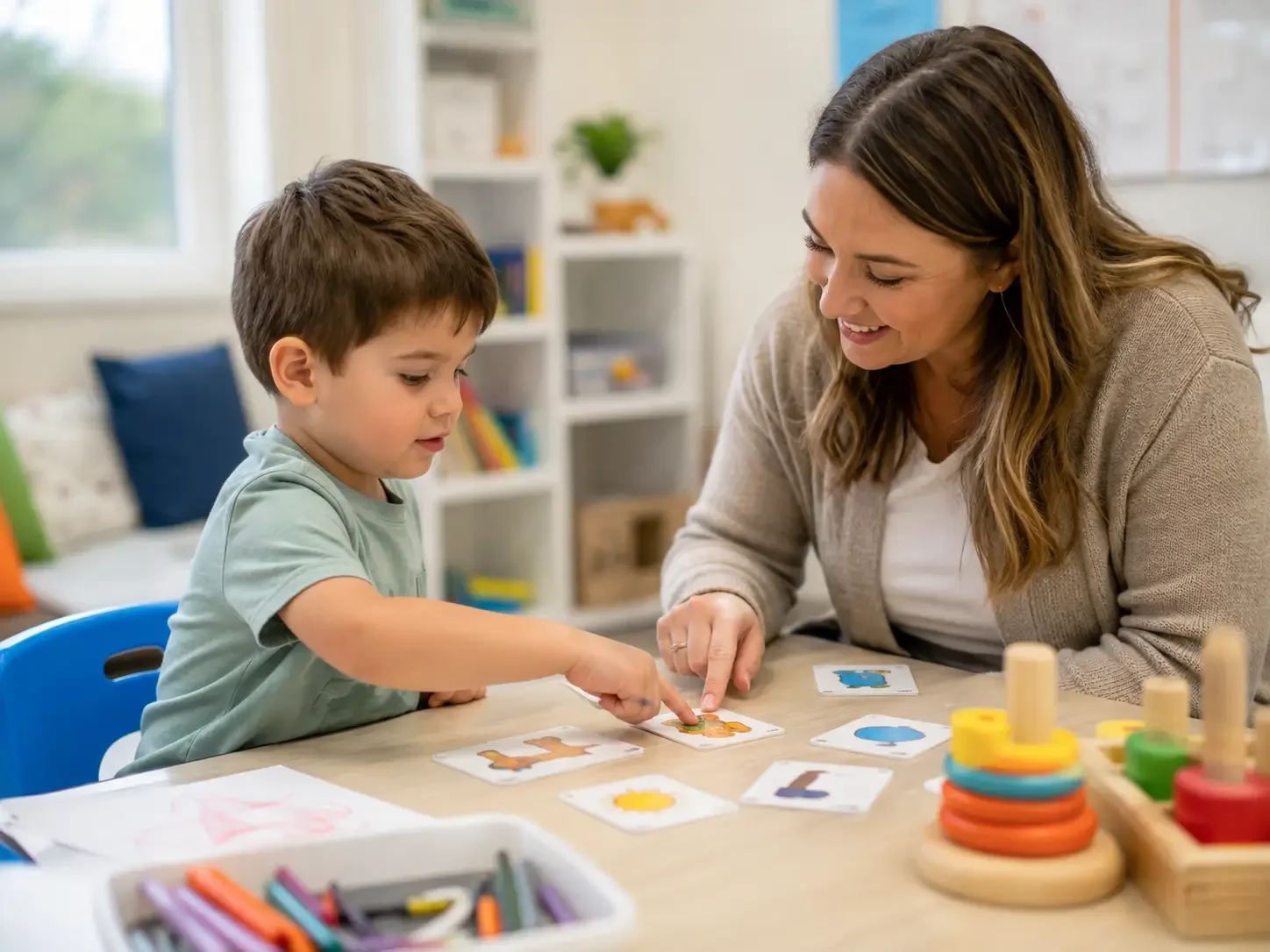
For eligible children whose IEP includes occupational or speech therapy, A to Z Occupational & Speech Therapy provides CPSE services in Nassau and Suffolk Counties. Services may take place in preschools, daycares, UPK programs, homes, and community settings, depending on the child’s approved plan.
How Is CPSE Different From Private-Pay Therapy?
CPSE and private-pay therapy are structured differently. CPSE services are provided at no cost to families, but therapists must follow the child’s IEP and the applicable school or program calendar. Private-pay therapy is arranged directly between the family and provider, which may allow more flexibility with scheduling and the areas addressed in therapy.
How Can Parents Prepare for the CPSE Process?
Parents can prepare for the CPSE process by gathering clear, specific information about what they are seeing at home, school, or daycare.
A few practical steps can help:
Write down specific concerns and when they happen.
Ask the child’s teacher what they are noticing in the classroom.
Gather relevant therapy, medical, developmental, or Early Intervention records.
Review evaluation reports before the CPSE meeting.
Write down questions you want to ask.
Be ready to discuss the child’s strengths as well as areas of difficulty.
Parents do not need to understand every special education term before starting the process. What matters most is being able to explain the concerns they are seeing, how often they happen, and how those challenges affect the child’s everyday participation, learning, and routines.
Frequently Asked Questions
-
Yes. Parents can make a referral to the Committee on Preschool Special Education in their child’s school district when they have concerns about their child’s development or learning. Certain professionals who know the child may also make a referral.
-
Yes. When a child is referred to CPSE, the parent selects an evaluator from a list of agencies approved by the New York State Education Department. The initial CPSE evaluation is provided at no cost to the child or family.
-
CPSE and CSE serve children at different stages of their education. CPSE, or the Committee on Preschool Special Education, serves eligible preschool-age children. CSE, or the Committee on Special Education, is responsible for special education decisions for school-age students. Both committees evaluate individual needs and determine eligibility for special education services.
-
No. Receiving Early Intervention does not automatically make a child eligible for CPSE. If a child receiving Early Intervention may continue to need support, the Early Intervention service coordinator can help the family plan the transition and make a referral to CPSE. The CPSE then follows its own evaluation and eligibility process to determine whether the child qualifies for preschool special education.
The CPSE process in New York helps determine whether a preschool-age child needs special education support and, if so, what services may be appropriate. A referral does not automatically mean a child will qualify. Parents remain part of the process and can share concerns, review evaluation results, and participate in decisions about their child’s needs.
Understanding how CPSE works, including its IEP requirements and school or program calendar, can help parents know what to expect and better understand how this type of support differs from private-pay therapy.
If ongoing developmental challenges are affecting learning or participation in preschool, parents can speak with their child’s teacher, therapist, pediatrician, or school district about the next step. When an IEP includes occupational or speech therapy, families in Nassau and Suffolk Counties may receive pediatric occupational and speech therapy on Long Island through an approved CPSE provider.
